About Dr. Ivey L. Thornton, MD — Board-Certified Ophthalmologist
Fellowship-trained. Unhurried. Genuinely yours.
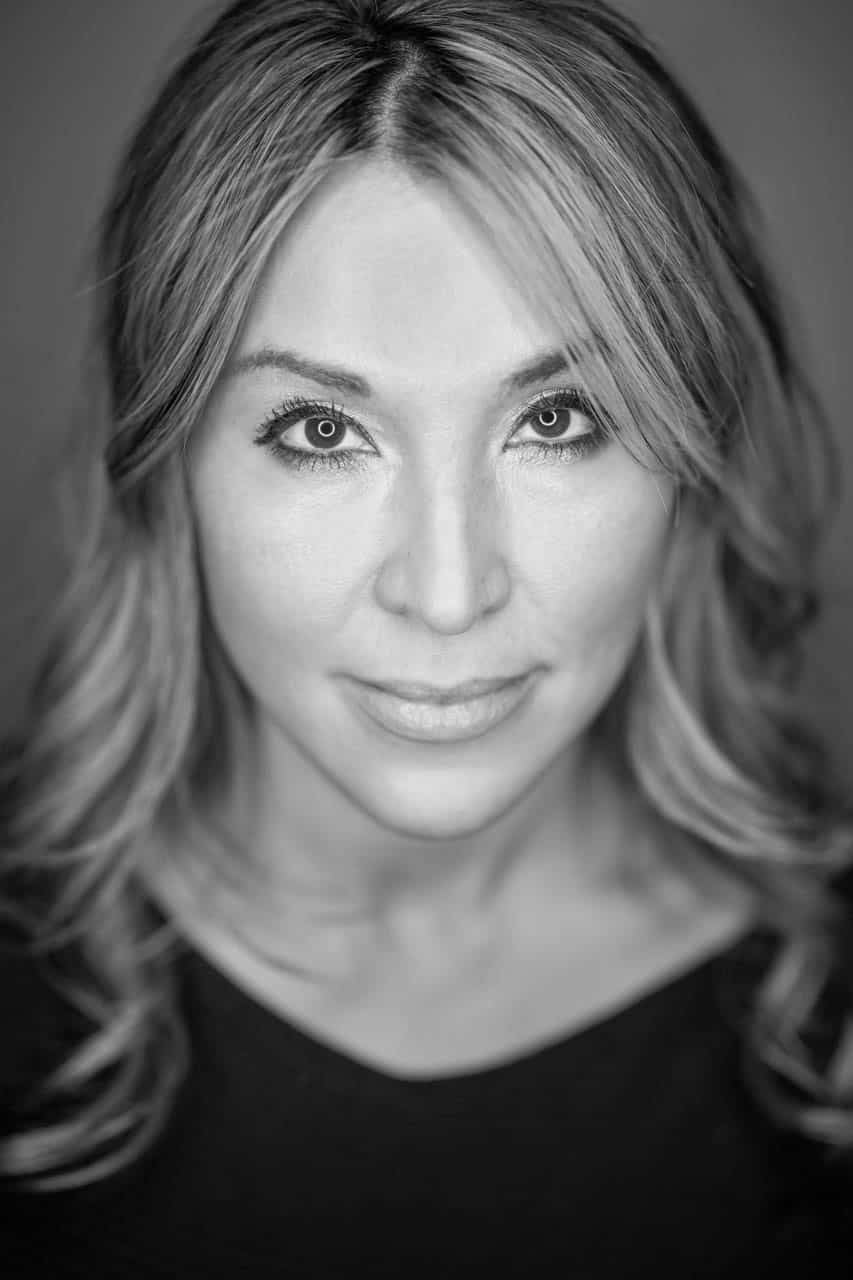
Board-certified ophthalmologist serving patients across Nebraska, Iowa, and South Dakota. Fellowship-trained twice — in neuro-ophthalmology at Harvard / Mass Eye and Ear, and in anterior segment surgery at Cincinnati Eye Institute.
Unhurried attention, advanced technique.
In her own words.
I love that my work translates into meaningful benefits for patients. Preserving and restoring vision can profoundly improve quality of life while also providing intellectually rewarding work for me as a physician.
My greatest strength is that I care deeply about each patient’s well-being and about how surgical outcomes will affect their quality of life and day-to-day functioning.
I devote substantial time to the preoperative evaluation so I can individualize the surgical plan and optimize the results for each patient. I also build strong relationships with my patients, taking time to understand their needs and to communicate clearly with them throughout the entire process.
A foundation built at elite institutions.
From Alabama to Harvard to Cincinnati to Kellogg — a foundation built across the country’s premier academic institutions in ophthalmology.
Eleven peer-reviewed publications.
Research published across a career at Louisville, Harvard, Cleveland Clinic Cole Eye Institute, and Nebraska Medicine. Grant funding from CLAO and ASCRS.
Low-Dose Mitomycin C as a Prophylaxis for Corneal Haze in Myopic Surface Ablation
I want to highlight both the safety and the benefits of modern procedures, framing them within a broader vision of wellness — to help reassure patients and reduce their fears.
A global perspective, a local heart.
Restoring sight in China & Peru
Growing up as an expatriate in Hong Kong gave me a deep appreciation for different cultures and the understanding that great care transcends borders.
That early experience shaped my commitment to global eye care, leading me to surgical missions in China and Peru where I’ve helped restore sight to patients who might never have had access to an ophthalmologist.
Christian Medical and Dental Association
An active member of the Christian Medical and Dental Association, Omaha chapter.
Member of the Refractive Surgery Alliance Society and a Physician CEO program graduate of Northwestern Kellogg School of Management.
Five published thoughts.
Verbatim excerpts from Dr. Thornton’s Nebraska Medicine columns — her clinical voice across cornea, refractive, and retinal practice.
“When your retina detaches, you will lose vision completely because it’s like taking the film out of a camera. You cannot take photos when the film is not in a camera.”
“On day one after LASIK, most people are like, ‘Wow, I see so well.’ Your vision actually continues to improve every day, as your eye heals.”
“The cornea has five layers. The layer we need access to perform LASIK is the stroma, which is the middle layer of the cornea.”
“This pulling can lead to a retinal tear, which requires laser surgery to correct. An untreated retinal tear may also lead to a retinal detachment.”
“I have seen patients who’ve been blind for a prolonged period. When they finally come in, it’s hard to perform retinal detachment surgery, because scar tissue develops.”
Ivey L. Thornton, MD